Custom CNC-Cut Diving Board Base Repair in Brentwood
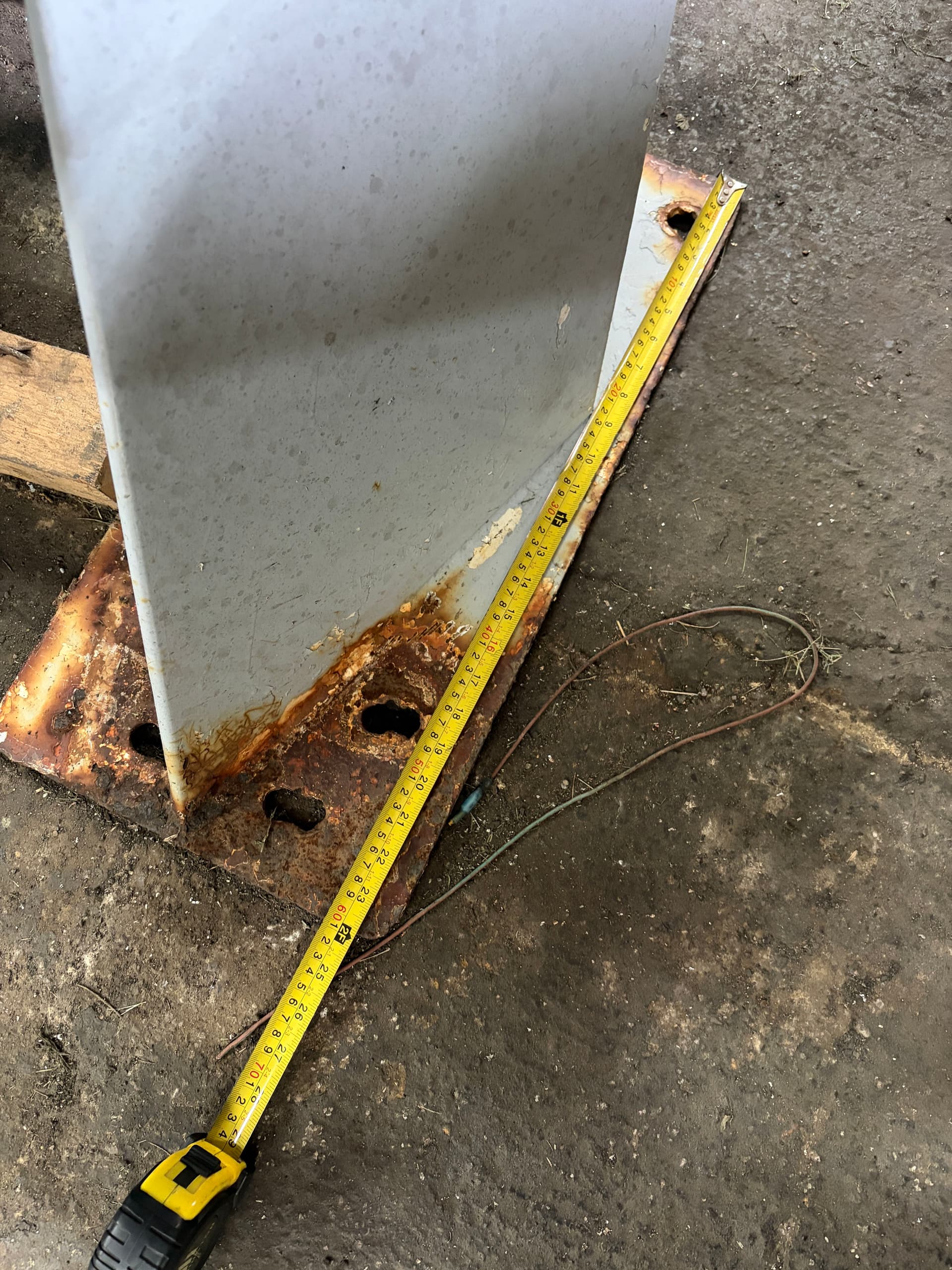
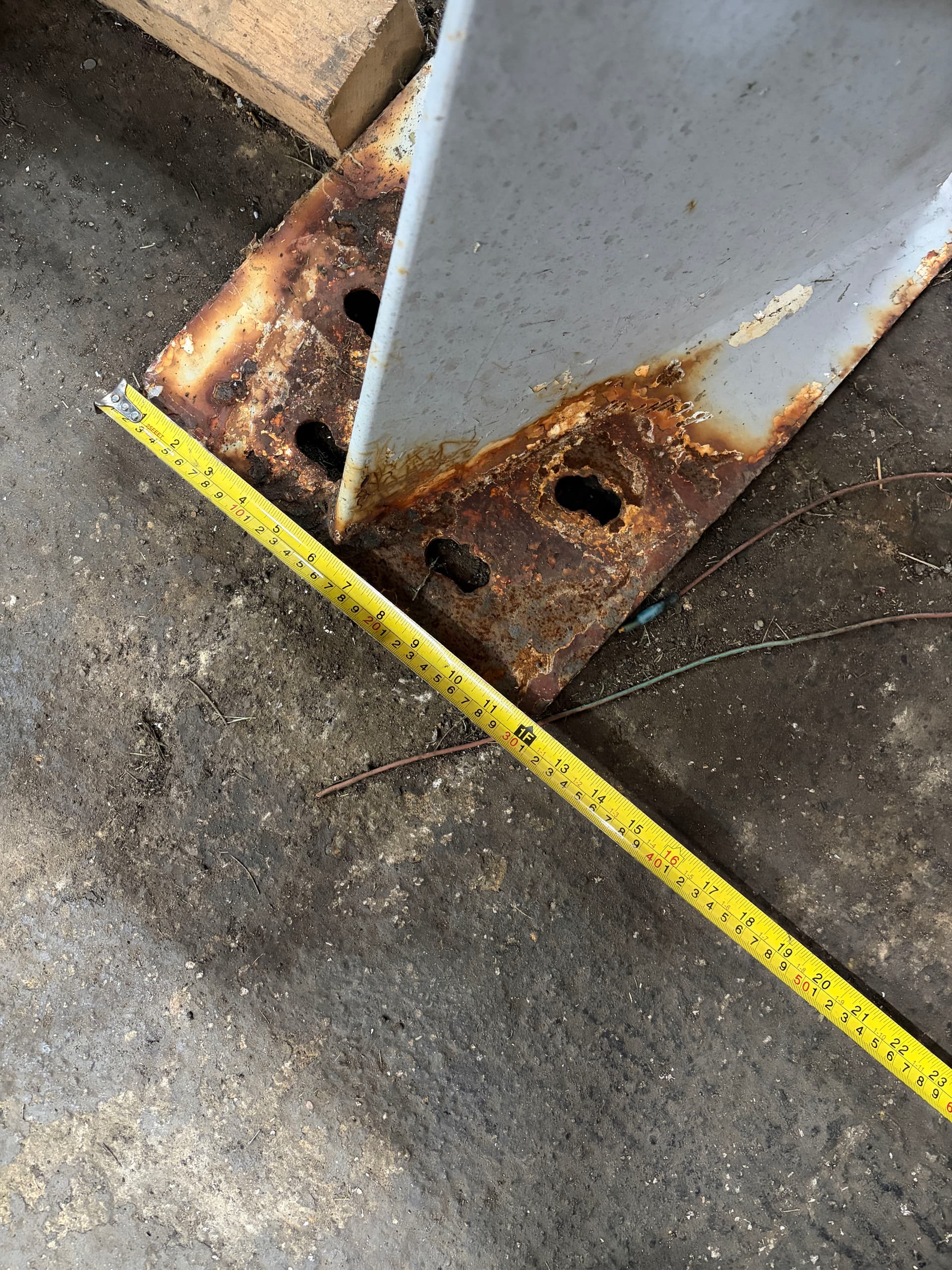
This one started as a pretty clear-cut case of rust doing what rust does. The base of this diving board had corroded through in multiple spots - we're talking heavy pitting, hole-through degradation, and structural compromise right where the board meets the pedestal. Not the kind of thing you patch with a rattle can and hope for the best, especially around a pool where people are jumping on it.
The fix here wasn't a weld-over-the-rot situation. We took precise measurements of the damaged sections and had replacement pieces CNC-cut to match the exact geometry of the original base. That matters more than people realize. A sloppy repair on a load-bearing connection like this creates weak points. A precisely cut piece means full contact, a clean weld, and a repair that's actually as strong as the original - if not stronger.
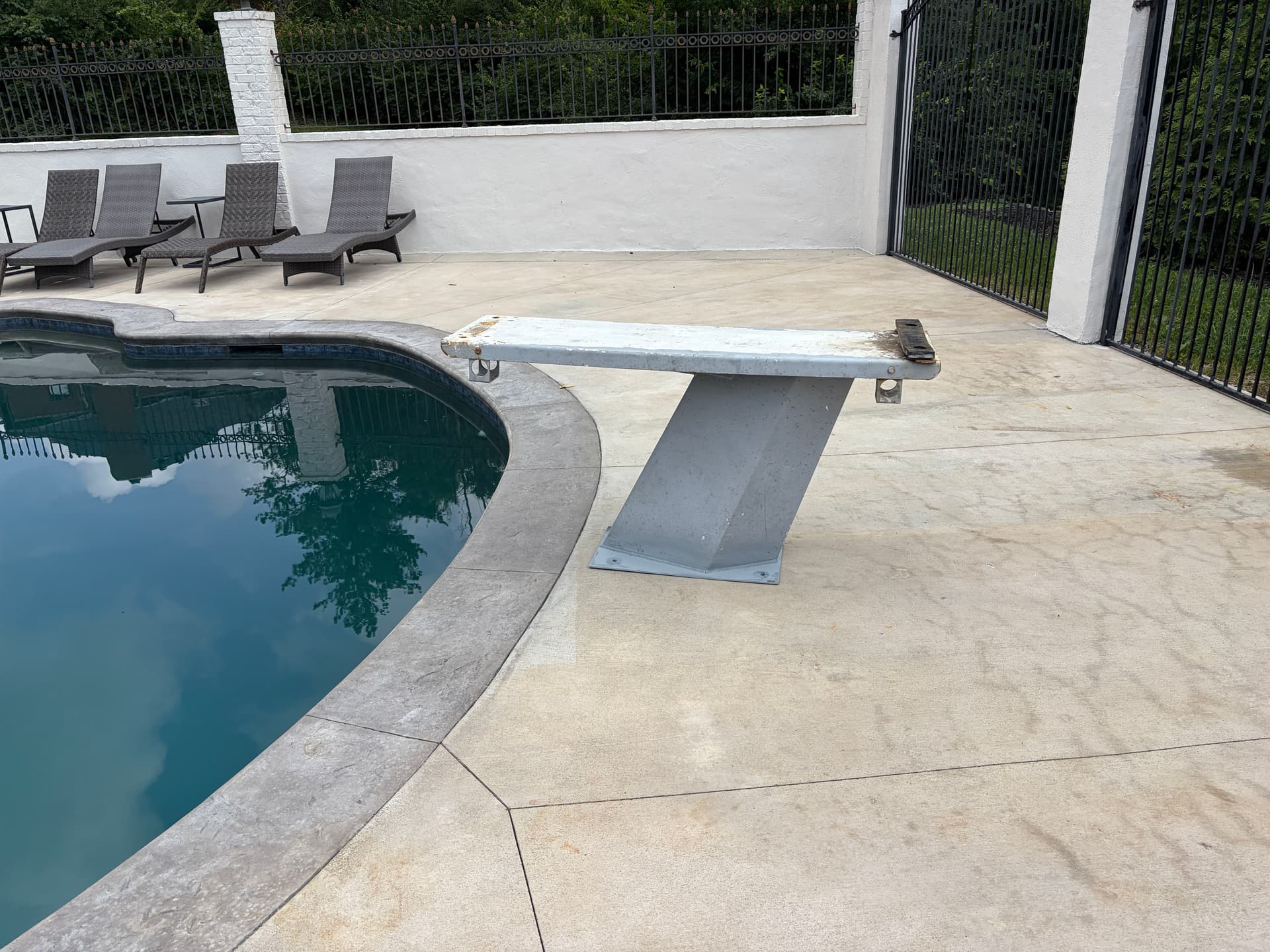
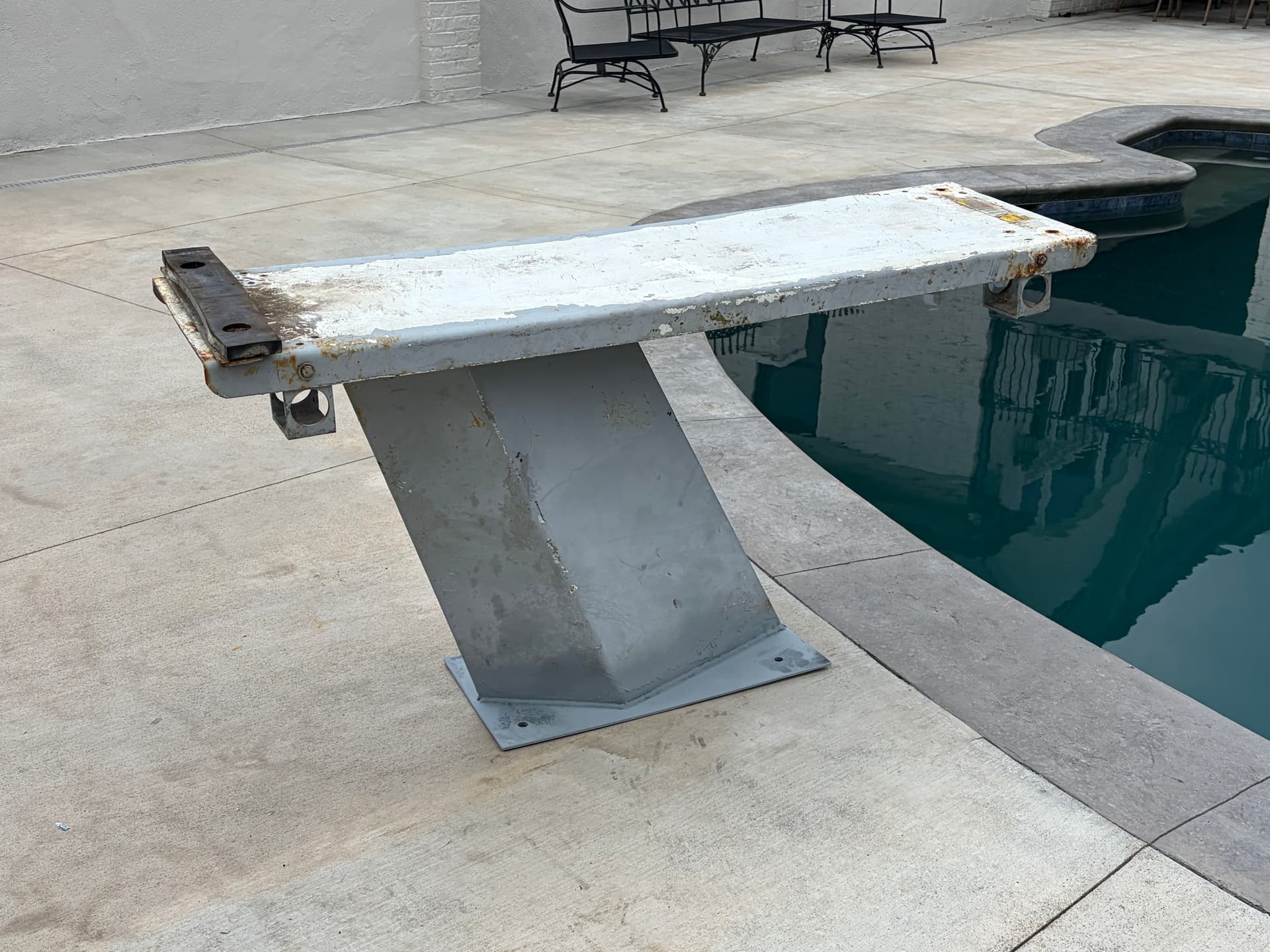
Once the new steel was fitted and welded in, the base went back poolside looking solid and sitting flush on its mounting plate. The structural integrity is there. The fit is clean. That's the whole point of doing it right with CNC fabrication instead of just grinding down what's left and hoping the weld holds.
This kind of work falls squarely in our wheelhouse - structural welding and custom metal fabrication for situations where replacement parts either don't exist or cost more than a proper repair. Old diving board hardware, equipment mounts, frames, brackets - if it's metal and it matters, we'd rather fix it right than watch it get scrapped.
Rust doesn't automatically mean replace. A lot of metal that looks done can be brought back with the right approach. We just need to measure it, cut it, and weld it properly.